
← The Echio Journal
How to Get Brand Deals as a Content Creator (2026 Guide)
A practical, step-by-step guide to landing your first (and next) brand deal as a content creator — follower minimums, pitching, rate cards, and how to avoid getting ghosted or unpaid.
Echio Team
5 min read
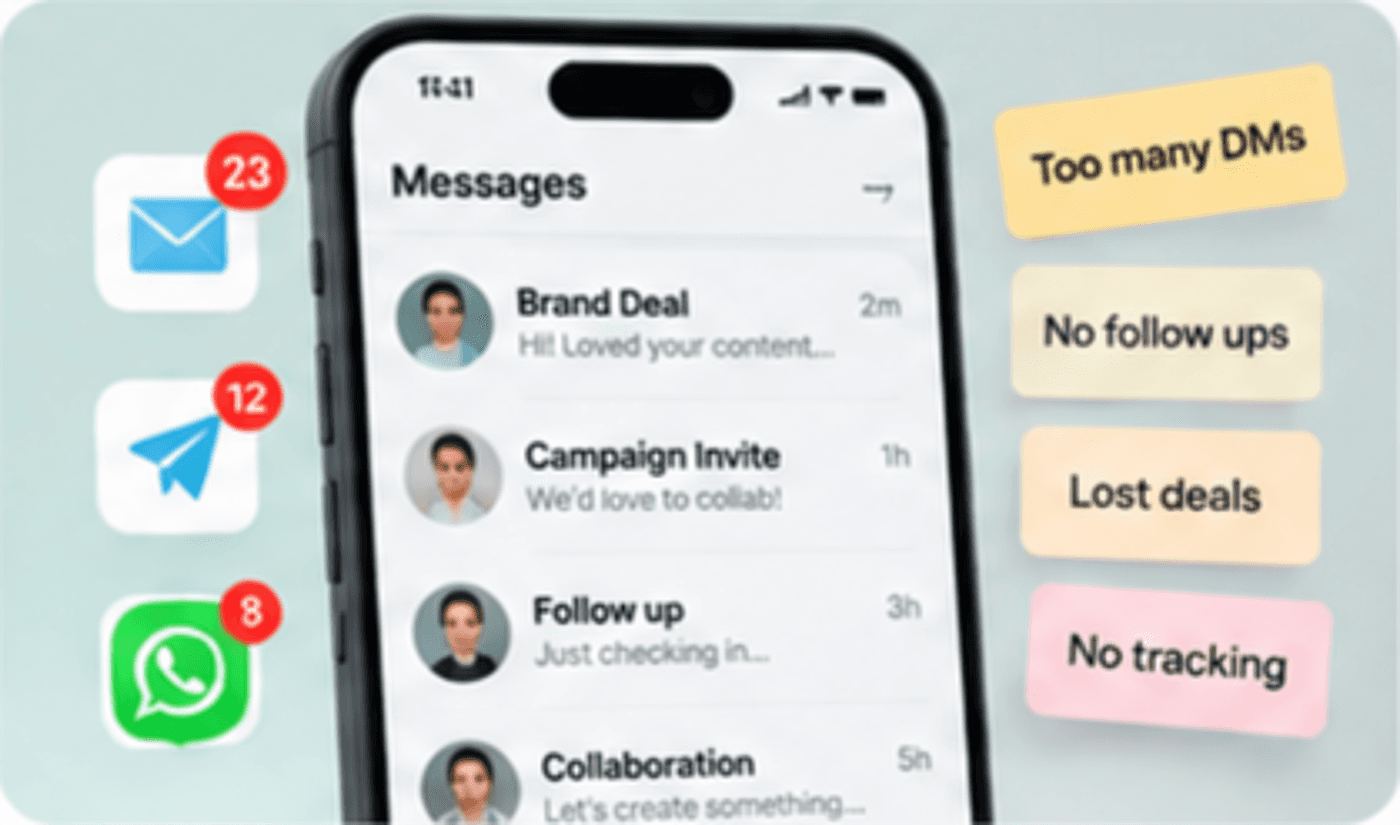
The fastest way to get brand deals as a content creator is to stop waiting for brands to find you: verify your audience data, build a simple rate card, and get discoverable on a platform brands are already using to find creators for campaigns — rather than relying only on cold DMs and comment-section luck. Most creators who say they "can't get brand deals" actually have a discoverability problem, not a content-quality problem.
This guide walks through exactly what brands check before they say yes, how many followers you actually need, and the fastest legitimate paths to your first paid collaboration.
Do you need a certain number of followers to get brand deals?
No single number guarantees a deal, but most brand and platform verification systems start around 1,000 engaged followers with a genuine, active audience. Below that, it's difficult for a brand (or a platform's AI matching system) to trust that your audience is real rather than inflated.
What actually matters more than raw follower count:
Engagement rate — likes, comments, and saves relative to your reach, not just your total following
Audience demographics — age, gender, location, and language match to what the brand sells
Niche consistency — brands pay for a predictable audience, not a random one
Content quality and hook — how well you tell a story in the first three seconds
This is exactly why the influencer tiering system exists — Nano (1K–10K), Micro (10K–100K), Macro (100K–1M), and Mega (1M+) — because brands budget and brief differently at each tier. A well-run Nano account with 6% engagement can out-earn a Macro account with 0.5% engagement, per campaign.
Where do brands actually find creators?
Brands source creators through four channels, in roughly this order of scale today:
Influencer marketing platforms that match creators to campaigns by audience fit and ROI history (this is the fastest-growing channel, because it removes the manual searching on both sides)
Influencer marketing agencies who maintain a roster and pitch it to multiple brands
Inbound DMs and creator outreach, which still works but doesn't scale and depends on catching a busy brand manager at the right moment
Word of mouth from other creators, especially within niche communities
If you're only doing #3, you're competing for attention in a brand's crowded inbox. Platforms exist specifically to flip that dynamic — instead of you pitching brands one by one, brands search a database using filters like follower count, average views, engagement rate, audience geography, and language, and send invites to creators who already match. This is how Echio's brand-side discovery works, and it's why creators on Echio Rise get invited to campaigns rather than having to cold-pitch every brand themselves.
How to build a rate card that gets you paid what you're worth
Before you pitch anyone, know your number. A basic rate card should cover, at minimum:
Per-post rate by platform (Instagram Reel, YouTube integration, Story set)
Usage rights (does the brand get to reuse your content in ads?)
Exclusivity terms (are you blocked from competitor brands for a period?)
Revision limits (how many rounds of edits are included?)
A simple starting formula many creators use: (followers ÷ 1,000) × ₹50–₹150, adjusted up or down for engagement rate, niche (finance and tech typically command more than lifestyle), and content format. Treat this as a floor, not a ceiling — a highly engaged Nano creator in a high-intent niche (skincare, personal finance, parenting) can often charge more than this formula suggests.
How to pitch a brand (if you're going the direct route)
Lead with data, not flattery. Skip "I love your brand!" and open with your audience fit: "My audience is 68% women aged 22–30 in Tier-1 Indian cities — I think that overlaps closely with [Product]'s core buyer."
Attach, don't just describe. Include 2–3 examples of past work, even unpaid content, that show your hook and editing style.
Propose a specific deliverable, not "let's collaborate." A brand can say yes to "one Reel + two Stories for ₹X" much faster than to an open-ended idea.
Follow up once, politely, after 5–7 days. Brand inboxes are noisy; a single follow-up is expected, not pushy.
How do you avoid getting scammed or ghosted after delivering content?
This is the single biggest fear creators report about brand deals — doing the work and not getting paid, or a brand disappearing after "we'll pay after the campaign runs." The two protections worth insisting on for any deal above a small value:
Partial payment upfront, or a platform that holds the brand's payment in escrow before you start
Written scope, even if it's just a confirmed DM thread listing deliverables, deadline, and rate
This is precisely the trust gap Echio's escrow model was built to close: the brand's campaign payment is held by Echio itself, released to the creator partway through the campaign, and fully released within 7 days of deliverables going live — so creators aren't left chasing an invoice, and brands aren't paying up front with no guarantee of delivery.
Frequently asked questions
How many followers do I need to get my first brand deal?
There's no strict minimum, but most platforms and brands start verifying accounts around 1,000 engaged followers. Below that, focus on building a consistent niche and engagement rate — many creators land their first paid deal in the low thousands of followers if their audience is highly relevant to the brand.
Do brands pay nano influencers?
Yes. Nano influencers (1,000–10,000 followers) are increasingly preferred by brands for lower cost-per-reach and typically higher engagement rates than larger tiers, especially for niche or local products.
What's the difference between a collaboration and a paid brand deal?
A collaboration can include unpaid gifting or product exchange, while a paid brand deal involves a fixed or negotiated rate for specific deliverables. Both can be legitimate early on, but they should be labeled clearly in your content per advertising disclosure norms.
How do I know if a brand deal offer is legitimate?
Genuine brands are willing to put deliverables and payment terms in writing, don't ask you to pay any fee upfront, and can be verified (real website, real social presence, real past campaigns). Platforms with escrow-based payment remove most of this risk entirely.
Should I use a platform or find brand deals myself?
Both work, but they solve different problems. Direct outreach can land a deal faster for a specific brand you already want to work with. A platform like Echio Rise solves discoverability at scale — brands come to you based on audience fit, and payment is protected, so you spend more time creating and less time chasing.
Ready to stop cold-pitching brands one at a time? Join Echio Rise → to get matched with campaigns based on your actual audience data — with every payment protected until your content is live.
See what your next campaign will return
Echio ranks creators by expected ROI, runs the campaign end-to-end with Ishi, and holds payment in escrow until the work is live.
Book a demo →